


Relationship Recovery Process (RRP) & Inner Child Work
The Relationship Recovery Process (RRP) is a trauma-informed therapy model developed by Amanda Curtin, LICSW. At its core, RRP focuses on healing the relationship between two essential parts of you: the Adult Self and the Inner Child.
The Adult Self is the part of you managing daily life, holding responsibilities, and trying to keep things together.
The Inner Child holds emotional memory, how you learned to survive, adapt, and stay connected in your earliest relationships.
When these parts are disconnected, old survival patterns can quietly run the present. RRP helps bring them back into relationship so you can respond to life with more steadiness, clarity, and choice.

How Trauma Continues Into Adulthood
Many clients grew up in environments shaped by emotional unavailability, chaos, or unpredictability. As children, they learned strategies like shutting down, over-functioning, staying hyper-aware, or disappearing emotionally in order to survive.
These strategies made sense then. The problem is they don’t automatically turn off.
This can show up as emotional overwhelm or shutdown, intense reactions to conflict or feedback, shame or self-blame, people-pleasing or withdrawal, repeating relational patterns, or relying on coping strategies instead of actually feeling emotions.
These are not flaws. They are intelligent nervous system responses shaped by early experience.

Making Sense of the Patterns
RRP begins by slowing things down and helping you understand why certain reactions feel so powerful or confusing. Together, we explore how early relational experiences shaped your emotional world, including how emotions were handled in your family, whether your needs were seen or minimized, and what you learned about safety, connection, and self-worth.
For many clients, this is the first time their reactions make sense, without shame.
Re-Parenting the Inner Child
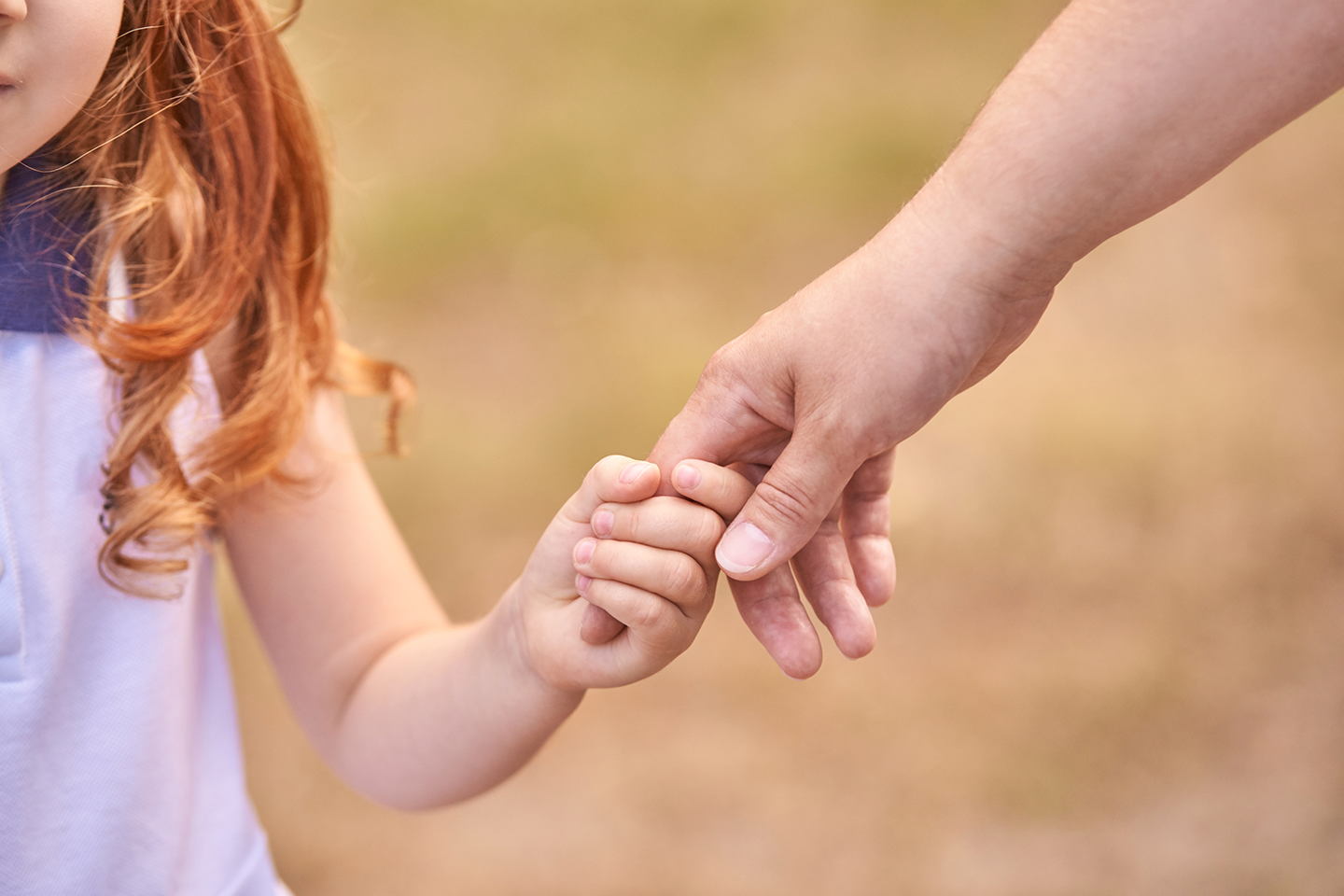
A central part of RRP is strengthening the Adult Self so it can care for the younger parts of you that learned to survive without support. This inner-child re-parenting work helps you stay present instead of shutting down or escalating, soothe emotional reactions, release beliefs formed in childhood, and build internal safety and self-trust.
Over time, clients often feel less reactive, more grounded, and more connected, to themselves and others.

Adult–Inner Child Dialoguing
One of the primary tools in RRP is written dialoguing between the Adult Self and the Inner Child. This process integrates emotional and thinking parts of the brain, allowing feelings to be acknowledged without overwhelming the system.
Rather than being hijacked by old survival responses, you learn to stay emotionally present while keeping your thinking brain online. This is not surface-level self-talk, it’s a relational process that supports lasting change.

The Two Core Goals of RRP
01
Finishing unresolved family business by untangling your identity from childhood roles like caretaker, scapegoat, or “the strong one,” and placing responsibility where it belongs.
02
Reclaiming intimacy by softening protective patterns and learning how to stay emotionally present, authentic, and connected without losing yourself.
Is RRP a Good Fit for You?
Relationship Recovery Process (RRP) includes parts work, but it is distinct from Internal Family Systems (IFS). Rather than working with multiple internal parts, RRP focuses specifically on healing the relationship between the Adult Self and the Inner Child. It integrates attachment-based therapy, trauma work, nervous system regulation, and relational healing to support deep, sustainable change.
RRP may be a good fit if you feel emotionally overwhelmed or shut down in relationships, notice repeating patterns that don’t shift with insight alone, grew up needing to be responsible or vigilant, struggle with shame or self-criticism, have difficulty staying grounded during conflict, or feel stuck in survival mode even when life looks “okay.” It is especially supportive for adults with relational trauma, developmental trauma, attachment wounds, and complex trauma, including when symptoms resemble anxiety or ADHD.
Frequently Asked Questions
-
A trauma-informed approach that helps heal emotional patterns by strengthening the relationship between the Adult Self and the Inner Child
-
RRP includes inner child work, but it is more structured and relational, focusing on helping the Adult Self stay present and grounded during emotional activation.
-
RRP focuses specifically on the Adult Self–Inner Child relationship rather than multiple internal parts.
-
No. RRP can be done in individual therapy. Group work may be recommended but is not required.
Serving Clients Across Nevada
Relationship Recovery Process is about helping you feel seen internally and relationally, so you no longer have to survive your life.

Relationship Recovery Process Group (RRP) Group – Healing the Ongoing Impact of Childhood Trauma
Summer 2026 | Six-Month Program | Adults in Nevada
The Relationship Recovery Process (RRP) is a six-month, weekly group designed for adults who want to understand and heal the emotional patterns shaped by early relational wounds. These past experiences often influence how we show up in conflict, intimacy, stress, and connection today.
In this group, survival strategies like shutting down, intense reactions, people-pleasing, or difficulty setting boundaries aren’t viewed as flaws—they’re signals of where healing is needed. Through structured pacing and experiential work, members learn how to recognize trauma-driven patterns and respond from a steadier, more grounded adult self.
Over six months, the group focuses on:
Understanding the wounded inner child
Strengthening the adult self
Developing emotional and nervous-system regulation
Noticing relational patterns
Creating safety for vulnerability and connection
Why Group Work Is So Powerful
Group therapy creates a kind of repair that can only happen in community. Participants experience what it’s like to be seen, heard, and supported—often for the first time. Members practice staying present through conflict, offering and receiving honest feedback, and building connection without losing themselves.
Over time, many people report:
Reduced shame
Better emotional regulation
Clearer boundaries
Deeper empathy
More secure, stable relationships
RRP offers a clear path for healing old relational wounds and creating meaningful change in the present.
About My Training
My RRP background includes two years of weekly experiential training and mentorship with Amanda Curtin, following the approach developed with Patrick Teahan, LICSW. Research on RRP began in 2022, with the first study currently in preparation for publication.
Group Therapy (RRP) Intake Form
If you are an adult in Nevada and interested in joining the RRP group, please complete the intake form. I will review your responses and reach out within a week if it appears to be a good therapeutic fit. The screening call is free.
Please note:
This form is not intended for urgent situations. In cases of emergency, contact emergency services (dial 911 in the US) or go to your nearest emergency department. The suicide hotline can be reached by phone or text at 988.