
Hiking Therapy
Healing Through Movement, Nature, and Grounded Connection.
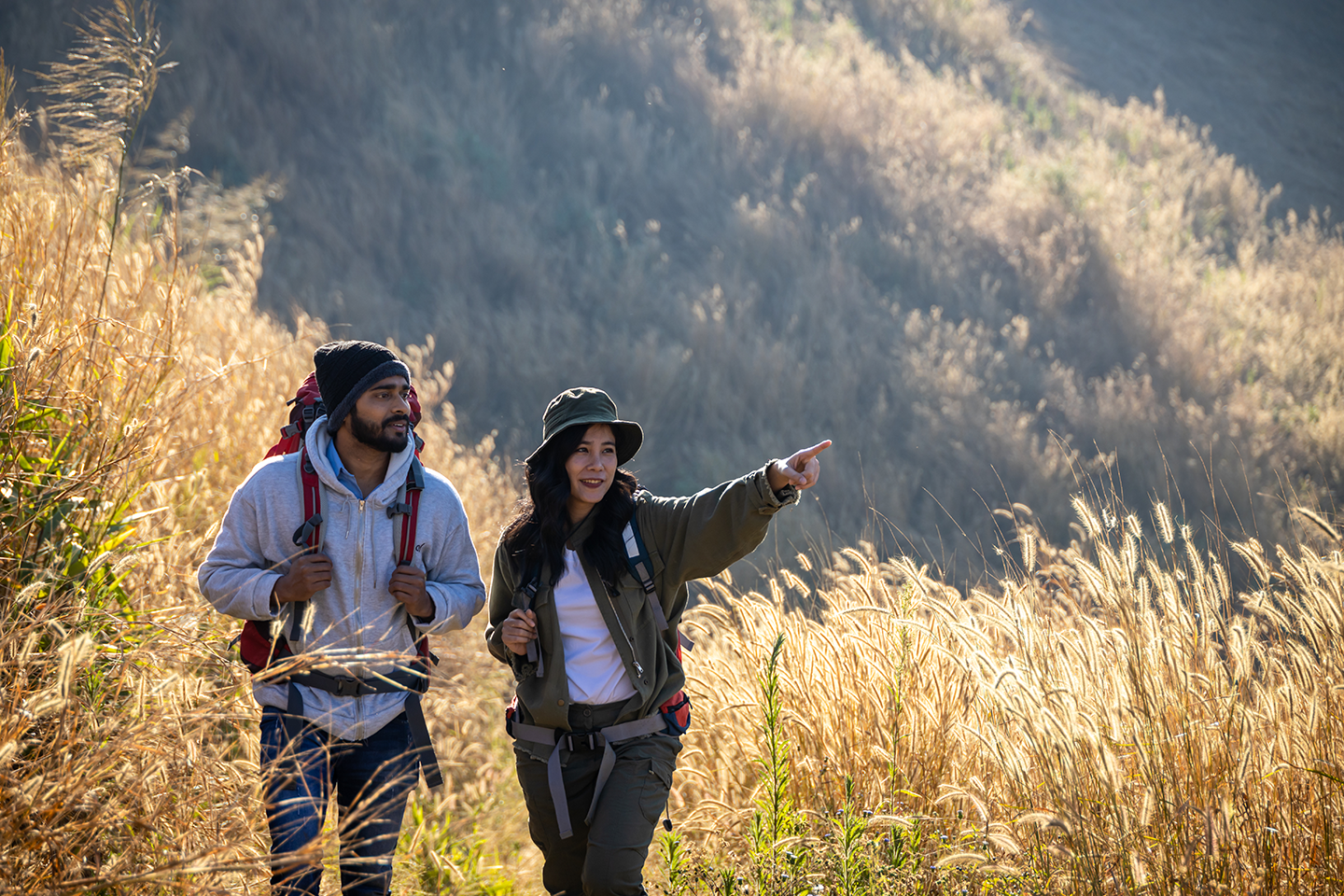
Hiking therapy offers a different kind of therapeutic experience—one that brings the work outdoors and into the calming rhythm of nature. For many people, sitting face-to-face in an office can feel intense or overwhelming, especially when talking about trauma, attachment wounds, or long-held emotional pain. Walking side-by-side creates a softer, more spacious environment where emotions can surface naturally and at your pace.
This approach weaves together somatic work, EMDR-informed concepts, and attachment-based therapy. The gentle movement, fresh air, and sensory grounding of nature help you stay more present in your body, easing anxiety and reducing overwhelm. Many clients notice that clarity, compassion, and emotional insight come more easily while moving than when sitting still indoors.
Why Hiking Therapy Helps
Nature supports the nervous system in ways that are hard to replicate inside a room. Walking provides bilateral stimulation that helps regulate the brain, while sunlight, fresh air, and open space naturally settle the body.
For clients who shut down, dissociate, or feel “too much” in traditional settings, the steady rhythm of walking creates a safer way to stay engaged. For those who feel stuck or disconnected, the physical experience of moving forward often mirrors the emotional shifts they’ve been longing for.


What Sessions Look Like
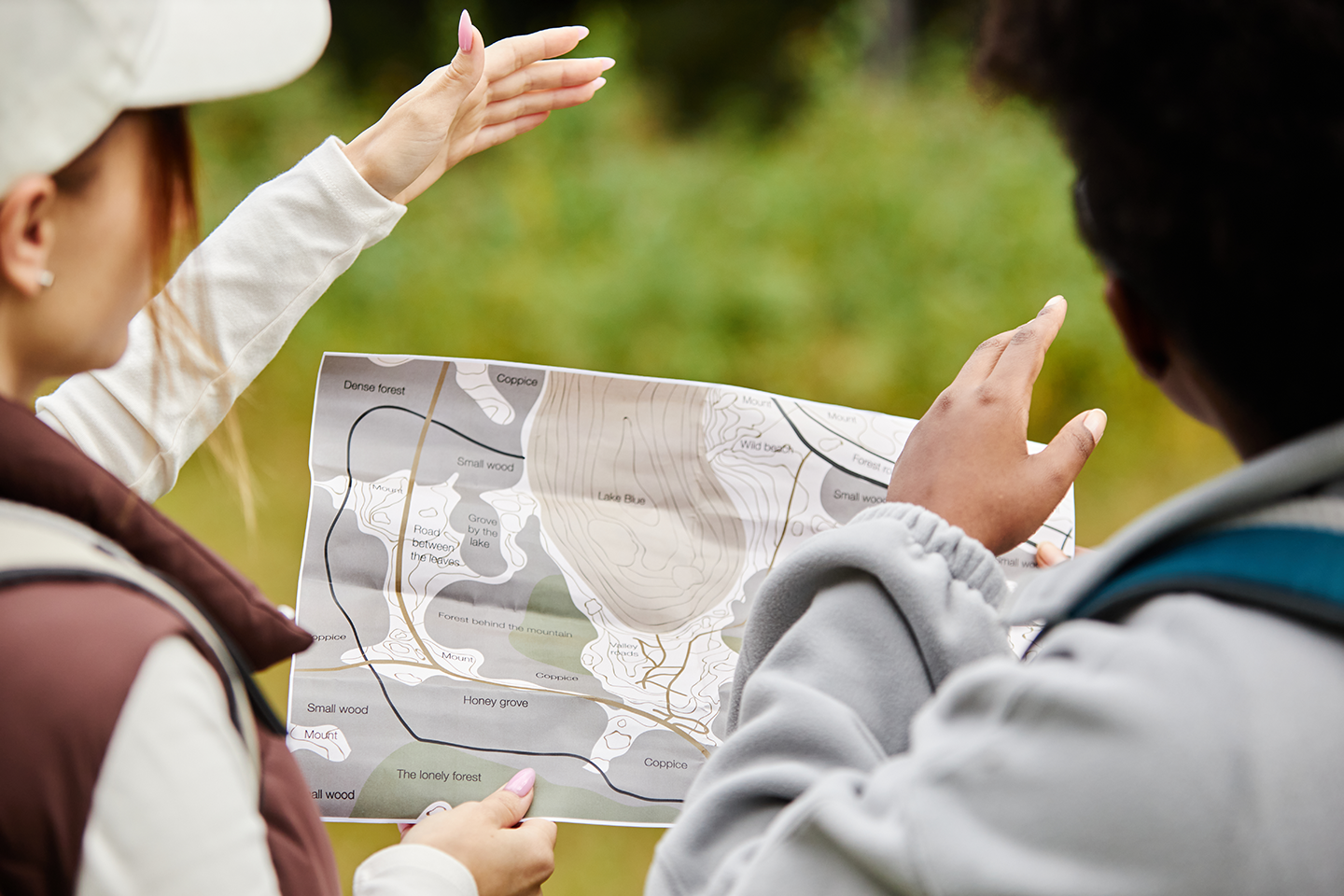
We’ll meet at a trail that matches your comfort level and physical ability. The pace is gentle and unhurried—no pressure, no expectations. Our work unfolds through conversation, grounding exercises, and the natural support of being outdoors.
Sessions may include:
Simple grounding and regulation practices
Somatic or parts-based exploration
Attachment-focused reflection
Meaning-making around what shows up in your body
Space for emotion, intuition, and inner truth to surface
Each session blends movement, reflection, and attuned presence—an invitation to reconnect with yourself in a setting that feels alive and supportive.
Hiking Therapy May Be Supportive If You’re:
A woman in midlife navigating anxiety, identity shifts, or long-held emotional pain
Processing childhood trauma or relational wounds
Wanting a more embodied way of healing (beyond overthinking or “talking it out”)
Someone who feels calmer and more connected outdoors
Easily overwhelmed by traditional face-to-face therapy
If being outside helps you feel more open, grounded, or emotionally connected, hiking therapy can offer a uniquely supportive path forward.
A Different Way to Do Therapy
Hiking therapy isn’t about exercise or performance—it’s about creating a therapeutic space that feels human, spacious, and grounding. Many clients share that they feel more honest, more open, and more understood on the trail than anywhere else.
If you’re longing for a therapy experience that helps you breathe again, reconnect with your body, and explore your inner world at a pace that feels safe, hiking therapy can be a powerful place to begin.